
Food Club Network: Where Choice Is Part of the Solution
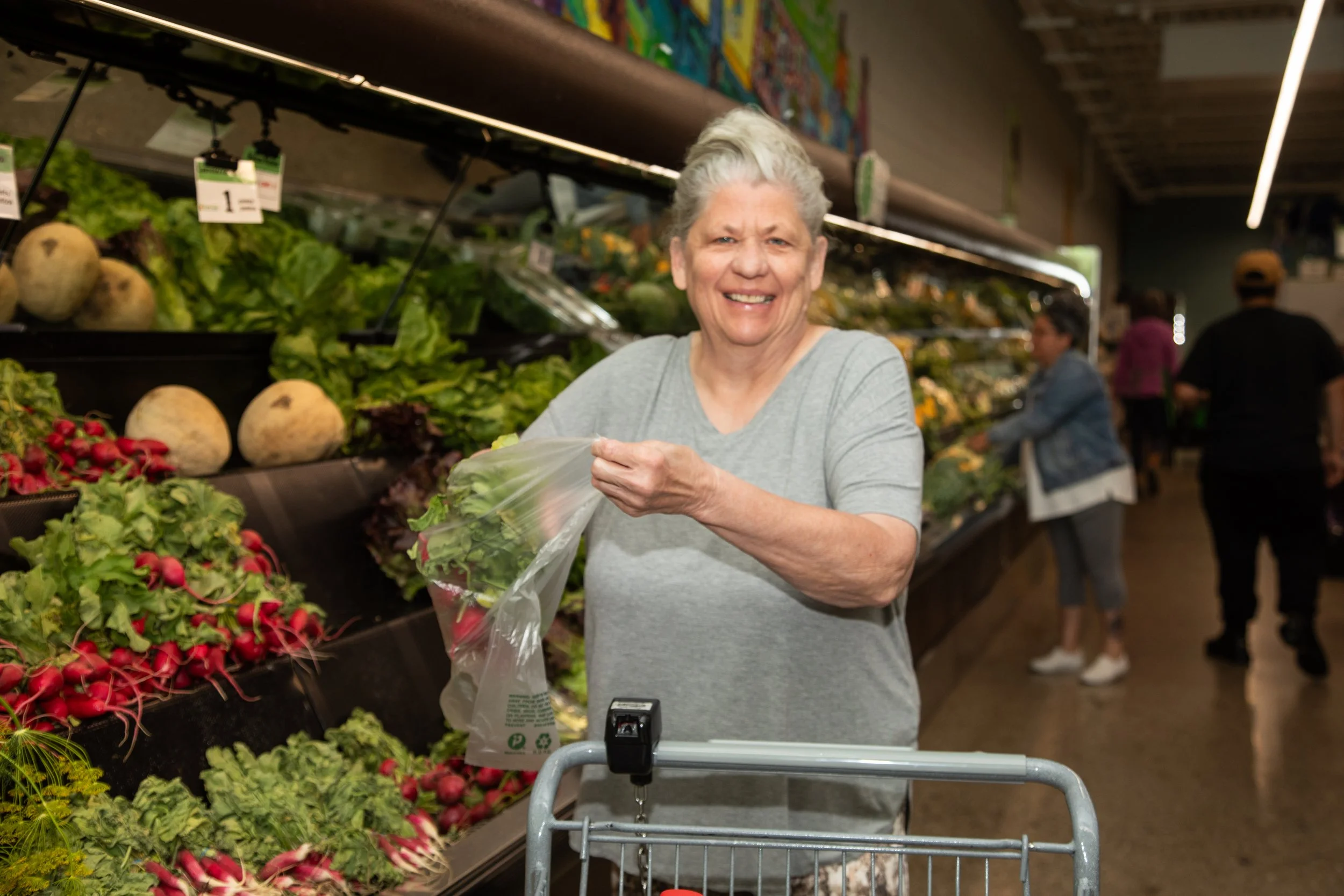
Walk into a Food Club and the experience feels familiar. Shelves are stocked with groceries. Refrigerators are filled with fresh food. Shoppers move through the aisles, deciding what they want to bring home.
That familiarity is intentional.
Food Club members aren't handed a predetermined box of food. They shop. They choose the fruits and vegetables their children will eat, the ingredients that fit their culture and traditions, and the foods that make sense for their households.
Behind that simple act of choosing is an innovative model that is changing how communities across Michigan approach food security.
Food Club Network is a Michigan-based nonprofit supporting a growing network of membership-based, community-owned non-profit grocery stores centered on dignity, choice, and community power. The model serves households with income up to 200% of the federal poverty level and combines a modest monthly membership fee with a grocery store experience and a points-based system designed to make nutritious food more accessible.
And the points work a little differently than shoppers might expect.
Fresh fruits and vegetables require the fewest points, while processed foods require more. Instead of restricting what members can purchase, the system makes healthier foods go further within a household's available points while preserving each shopper's ability to decide what belongs in their cart.
The result? Food Clubs report that fresh fruits and vegetables, along with meat and dairy, are the most frequently selected items. One Food Club reported that produce comprised 60% of shoppers' carts--nearly three times the share at a typical grocery store--while another found that 83% of shopping trips included fresh fruits and vegetables.
But what happens inside the store is only one part of the model.
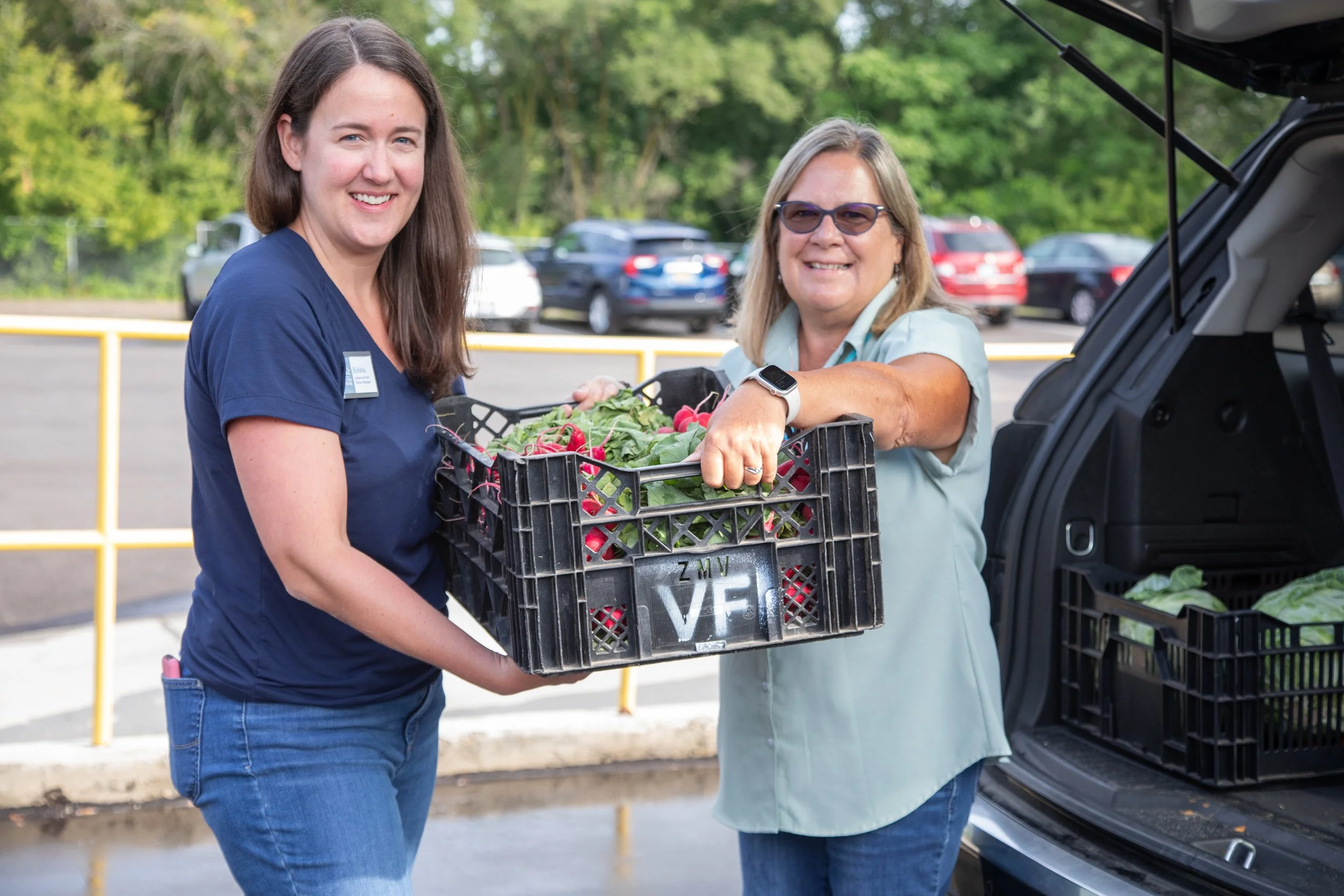
Food Clubs combine lower-footprint stores with food bank partnerships, wholesale purchases, growers, charitable donations and rescued food to create an approach designed to serve more families sustainably.
For one organization, the transition from a traditional pantry to Food Club resulted in a significant expansion in food access capacity. Investments in a larger purpose-built space, expanded hours, food sourcing, fundraising, and a growing volunteer base helped the organization grow from serving fewer than 200 families per week during the early months of COVID to more than 1,500 families per week in 2025 – meeting a growing need with healthier options and greater choice.
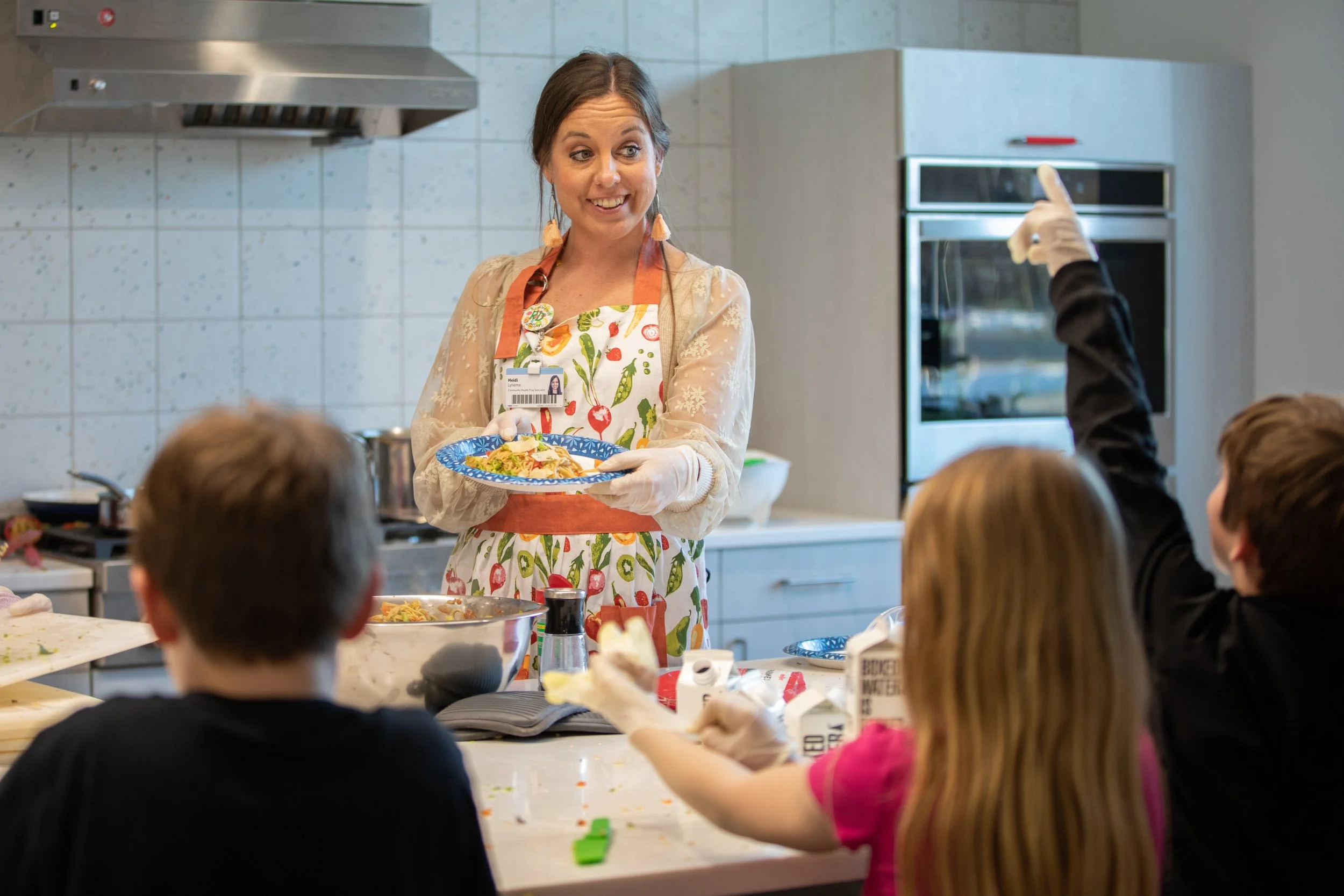
The model is also creating new connections between food and health. Recognizing that food is medicine, Food Clubs are increasingly partnering with healthcare organizations to integrate access to healthy food into treatment plans for people managing chronic diseases.
What began as a different approach to food assistance is now becoming something much bigger.
Three Food Clubs are currently operating in Michigan and collectively served 11,200 households in 2025. A fourth is opening in 2026, while other communities in Michigan and beyond are exploring how the model could work for them.
And that is where Food Club Network comes in.
Its innovation isn't simply operating another Food Club. It is building the infrastructure that allows the idea to travel.
“The existing Food Clubs are all very different, but what they have in common is that they are making a huge impact in Michigan communities,” said Lura Barber, executive director of Food Club Network.
“We believe this model for increased choice, dignity and food access can build a more sustainable and equitable food system throughout Michigan, and perhaps throughout the country.”
Through replication tools, peer learning, structured site visits, and an emerging accelerator function, Food Club Network is capturing what works and helping new communities apply those lessons rather than starting from scratch. Importantly, the model has already demonstrated its viability in both urban and rural communities, where the needs and the available resources aren’t all the same.
That potential to turn a successful local approach into something other communities can replicate is part of what earned Food Club Network recognition as a recipient of the 2026 Grocery Retail Resilience & Innovation Award, presented at the Grocery Retail for All Summit.
At its core, however, the idea remains remarkably simple: people should have a say in what they eat.
By creating spaces where families can shop rather than simply receive food—and building the infrastructure to bring that experience to more communities—Food Club Network is showing that addressing food insecurity can be about more than putting food on the table. It can also be about preserving choice, supporting health, and giving people greater agency over something as personal and fundamental as feeding themselves and their families.

Photos: Courtesy of Food Club Network