FSF at the 2025 World Food Prize: Advancing Evidence, Collaboration & Nutrition Equity
Food Systems for the Future (FSF) Institute, in collaboration with leading global partners, brought two timely conversations to the 2025 World Food Prize Borlaug Dialogues, engaging stakeholders on trust and shared vision in the protein ecosystem and consumer demand for nutritious foods.
These discussions demonstrated how research, communication, and cross-sector collaboration can drive more resilient, equitable, and nutrition-positive food systems.
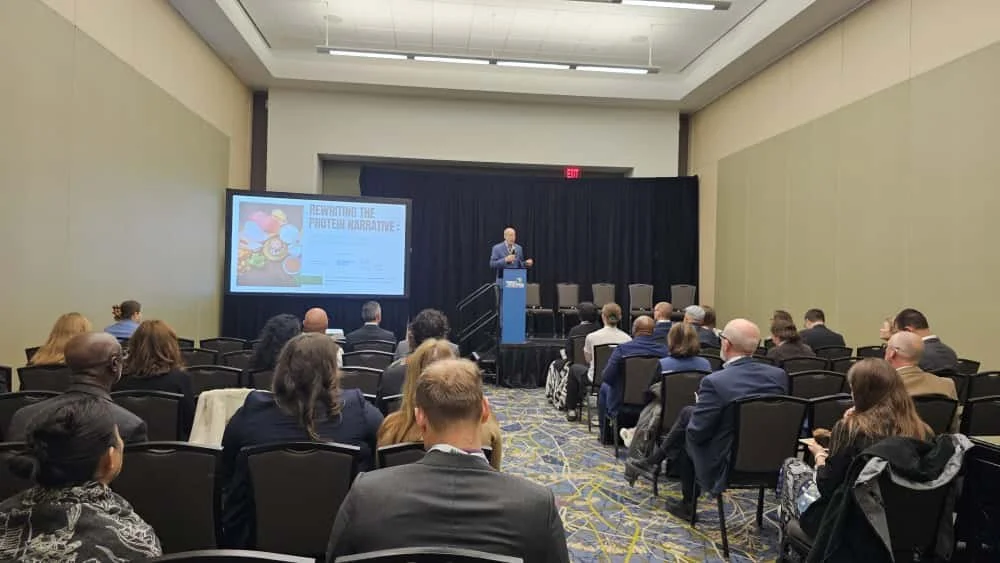
Rewriting the Protein Narrative: Trust, Shared Vision & Sustainable Solutions
Conversations around protein are often framed as animal vs. complementary; a divide that undermines progress. FSF’s event challenged that narrative, demonstrating that the future of food depends not on choosing sides, but on better communication, collaboration, and equity.
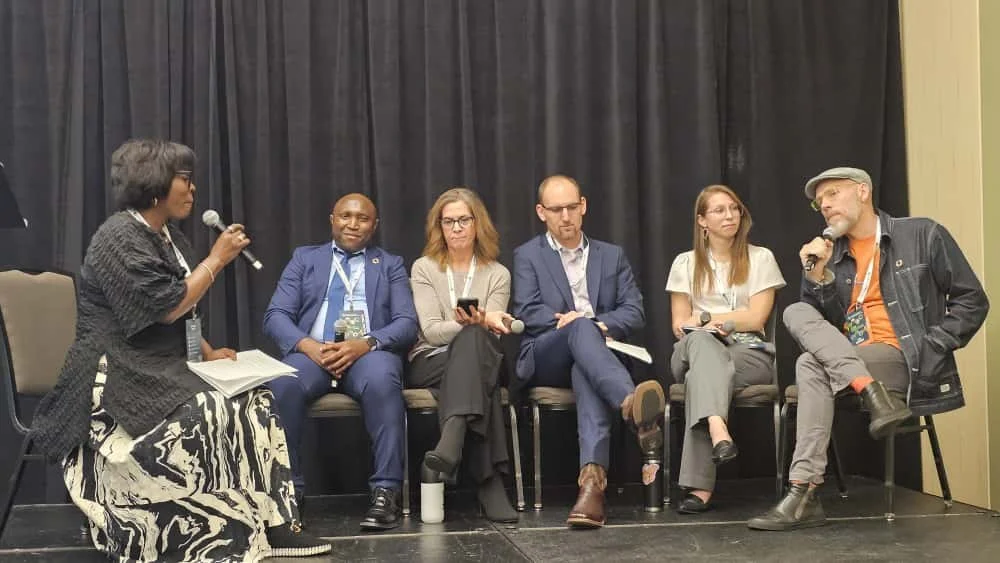
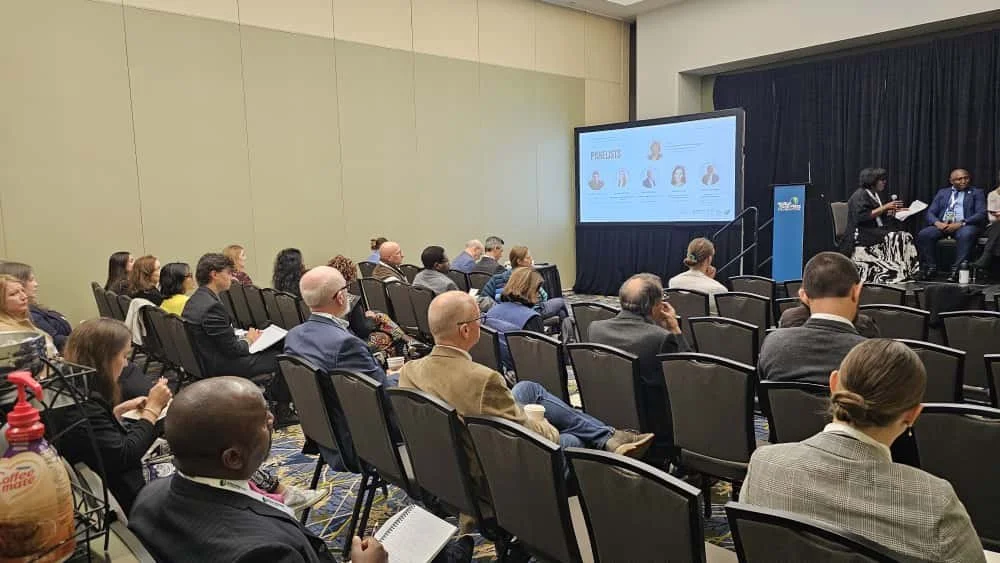
With support from EDF, ILRI, and ADM, the session featured a global panel of experts across science, industry, and advocacy who emphasized shared goals for climate-smart transformation and nutrition security.
Key Takeaways
“It’s not about protein anymore, it’s about complete diets.” Speakers emphasized the need to address broader nutritional gaps, including fiber and micronutrients, and to focus on complete diets rather than single ingredients.
Zoom out and clarify the problem. The panel called for systems thinking, understanding nutrition, livelihoods, and climate as interconnected challenges that must be solved together.
Design for Equity, Not Averages. Map the protein deficit by geography; prioritize interventions where undernutrition and inequity are greatest.
Shift from competition to collaboration. Move from a mindset of scarcity to one of shared value creation across animal and alternative protein sectors.
See ourselves in each other. Recognize the shared values among farmers, innovators, chefs, and advocates: livelihood, identity, and care for community.
Communicate in “we” terms. Replace ideology with inclusive language centered on shared wins: healthier people, stronger rural economies, and resilient environments.
Engage youth as partners, not beneficiaries. True transformation must include young leaders as co-creators and innovators in shaping food systems.
Investigating Dairy Demand: What Influences Purchasing Choices?
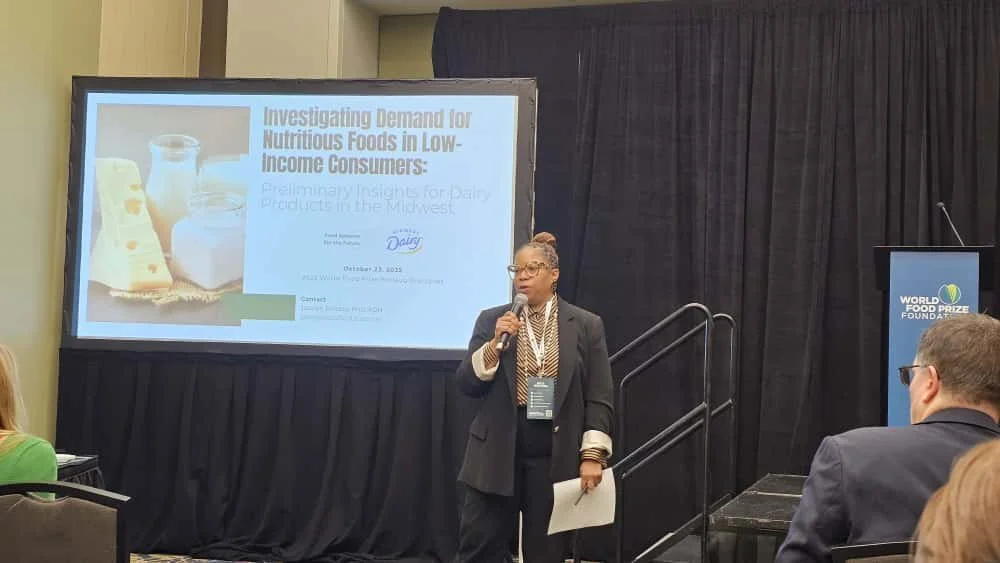
FSF’s second side event, co-hosted with Midwest Dairy, focused on what influences nutritious dairy purchasing decisions among low-income consumers in the U.S. Midwest,and how those insights can drive more equitable and effective strategies across the food system.
The discussion followed a presentation of FSF’s preliminary research, including literature review findings and insights surfaced through key informant interviews with industry, retail, and public health experts. Participants reflected on the everyday choices households must make when balancing cost, convenience, cultural relevance, and nutrition.
What We Learned from the Conversation
Culture shapes consumption: Dairy is not a uniform category, preferences vary widely by culture, community, and even generation. Offering culturally relevant dairy products and recipe ideas can help families incorporate nutritious dairy in ways that feel familiar and enjoyable.
Access is about more than availability: Barriers to purchasing dairy foods exist at the individual level (e.g., perceived lactose intolerance), the household level (e.g., multi-generational differences in dairy exposure and consumption), and the systems level (e.g., federal program compliance rules and changes to assistance programs). Participants highlighted the need for smarter policies and localized models that make nutritious foods easier to obtain.
Innovation needs to align with lived experience: Product development must account for barriers faced by low-income consumers, including affordability, taste expectations, and food literacy. Listening to consumers first leads to solutions that stick.
Partnerships unlock opportunity: As certain policies decline or shift emphasis, public and private sector collaboration becomes vital, from piloting new delivery channels to strengthening retail offerings in underserved areas.
Why It Matters
Understanding what drives or limits nutritious dairy choices is critical to achieving both nutrition equity and market opportunity. When products, programs, and policies align with community realities, they not only improve health outcomes; they also create stronger, more resilient demand for nutritious foods.
This session surfaced tangible opportunities for future work, including deeper research with low-income consumers, testing new delivery models, and designing consumer-centered dairy innovations that support healthy diets in a changing food landscape.
What’s Next
FSF is advancing commitments from both conversations:
Co-development of a global white paper on truthful protein narratives
Continued research into dairy purchasing behavior across diverse communities
Strengthening coalitions that bridge evidence, enterprise, and impact
We are grateful to all participants, including our panelists, keynote speakers, moderators, and audience partners, who brought curiosity, expertise, and a spirit of collaboration to each session.
Together, we’re designing food systems that deliver for people and planet.