
NOURISHING FOOD OPPORTUNITY FUND
Financing for community grocers and the businesses that supply them
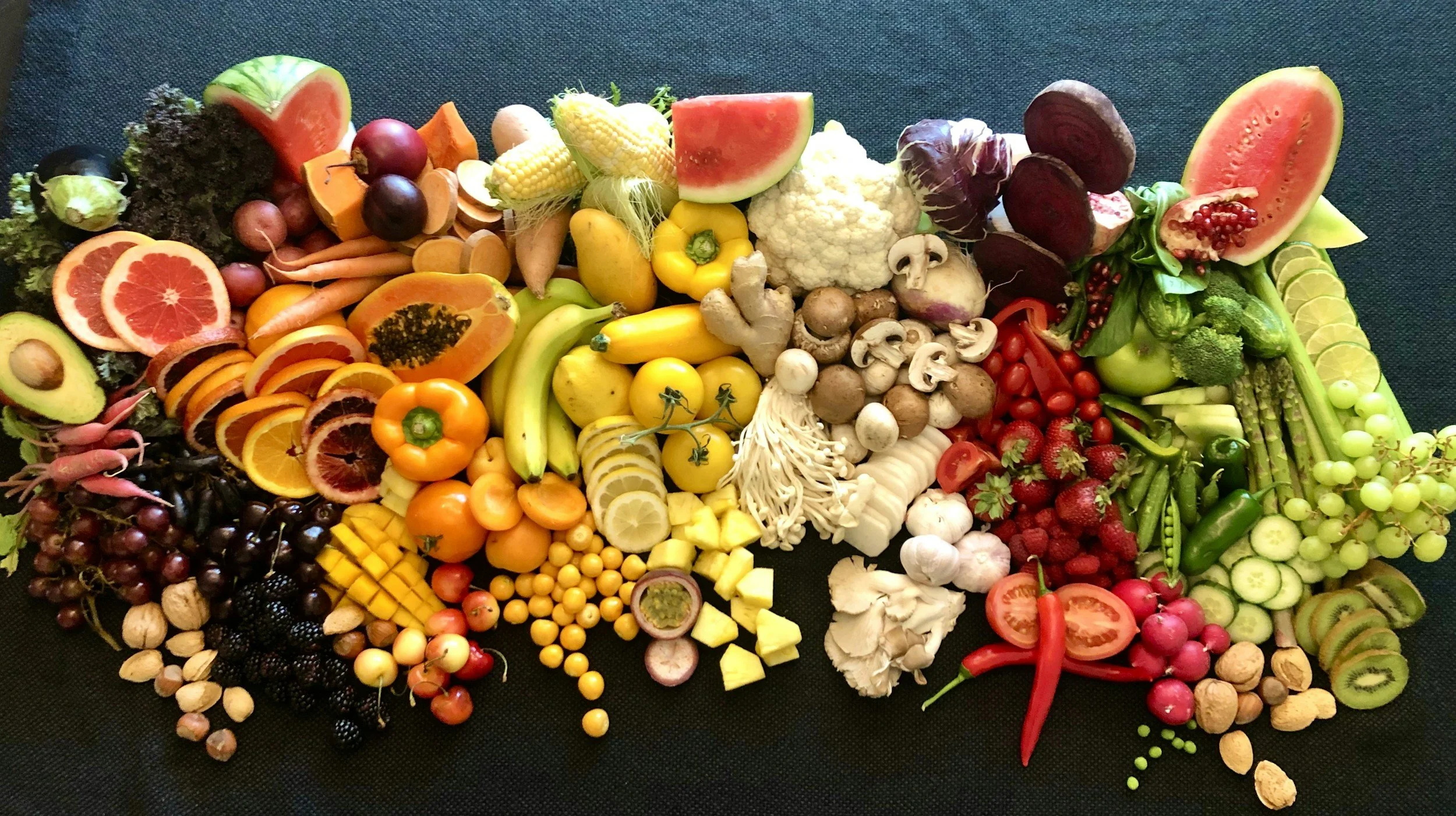
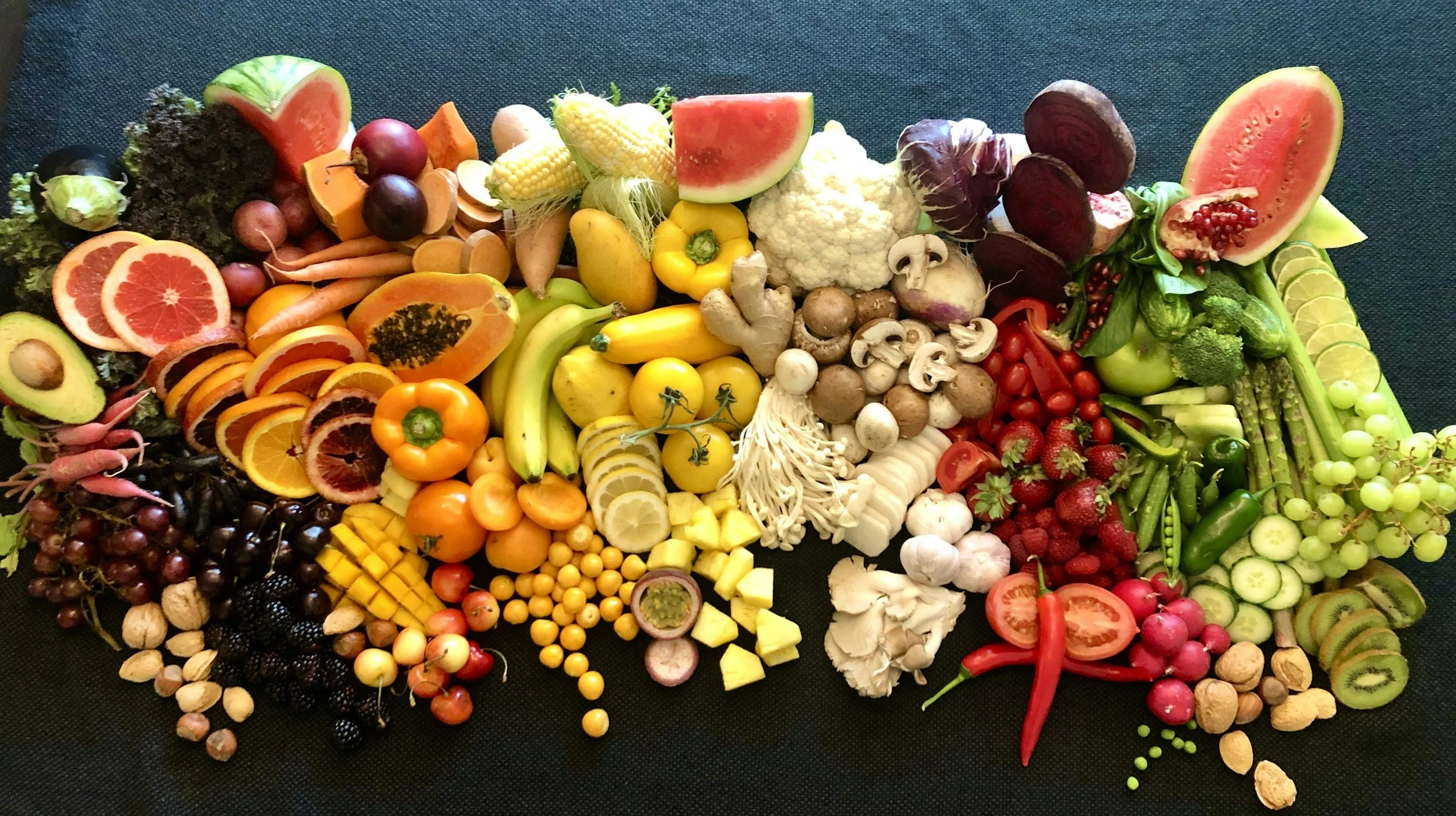
Food Systems for the Future Institute (FSFI) and Potlikker Capital are developing a fund that would pair affordable loans with hands-on business support to help keep nutritious food within reach in underserved communities.
Why the fund is needed
Small food businesses need financing to buy inventory, replace equipment, and improve how food gets to stores. Thin margins, limited collateral, and short operating histories can make conventional loans difficult to secure.
FSFI’s national research drew on interviews with 45 grocers and 22 industry experts and documented the operating pressures and financing gaps facing community-serving grocers.
Who the fund would support
01
Community grocery retailers
Independent grocery stores, food cooperatives, and nonprofit grocers that sell directly to shoppers.
02
INFRASTRUCTURE MUST FIT THE OPERATOR
Some businesses lack essential facilities. Others cannot afford or fully use commercial infrastructure designed for larger operations. Solutions need to reflect businesses’ scale and operating realities.
Why the middle of the food system matters
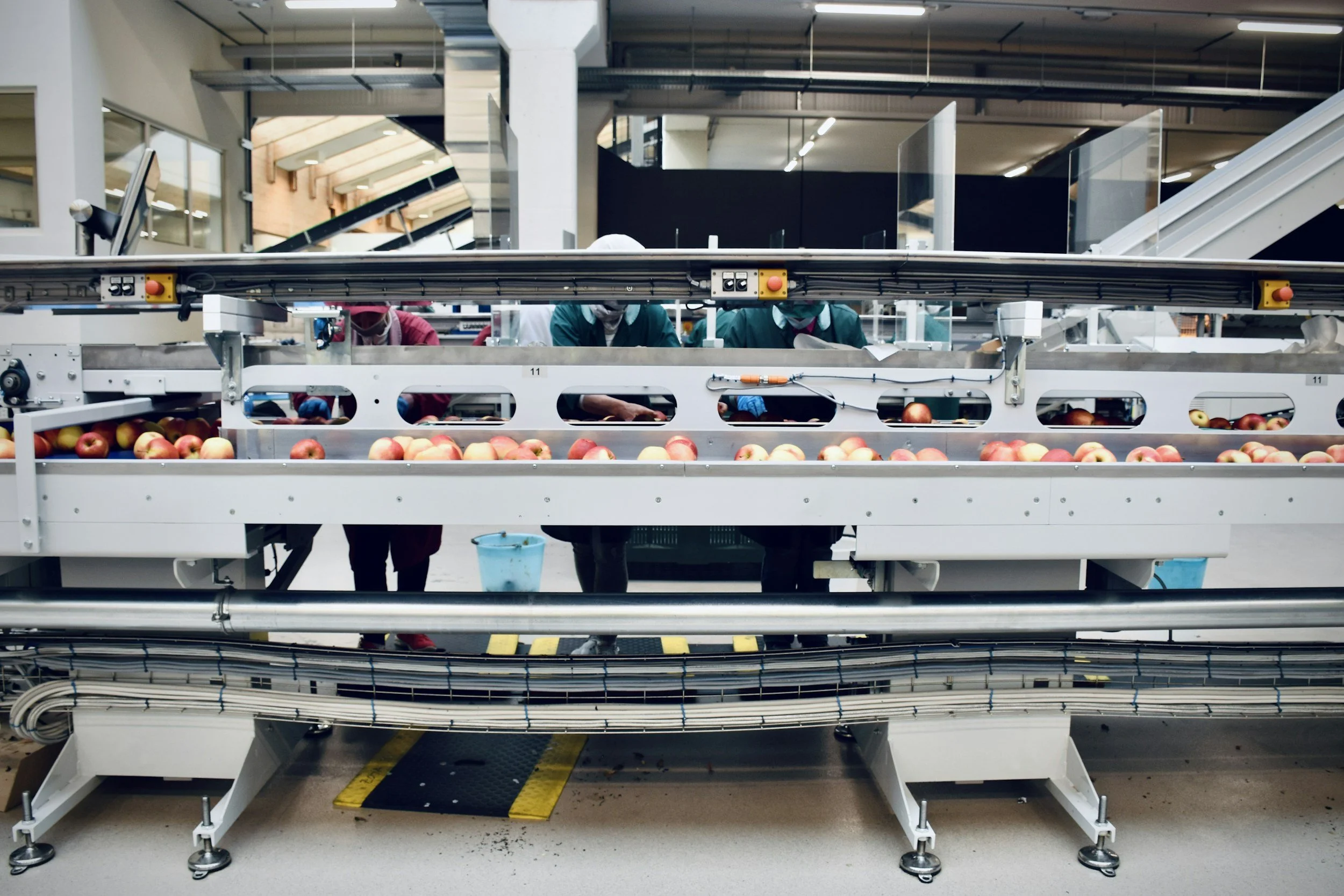
Getting food from producers to communities requires businesses that can process, store, transport, and distribute it. When these businesses cannot access suitable financing or infrastructure, the effects extend across the food system.
A business may have demand for its services but lack the cash to cover expenses while awaiting grant reimbursement. A small operator may need cold storage but find available facilities too large or costly. Financing may require collateral the business does not own or deal sizes beyond what it needs.
Understanding these constraints is essential to building a food system that makes nutritious food more affordable and accessible.
PROCESSING
/
STORAGE
/
DISTRIBUTION
Connecting evidence with ACTION
25
Operator organizations interviewed
across Illinois and New Mexico examining financing gaps, infrastructure constraints, and technical assistance needs. The research also identified potential candidates for further financing assessment in Illinois.
20+
Investor and stakeholder interviews
exploring investment requirements, financing structures, and opportunities to better connect capital with midstream businesses.
Together, these findings inform financing approaches grounded in how businesses operate and what capital providers require.
What we’re learning
01
TIMING MATTERS AS MUCH AS ACCESS
Reimbursement-based grants can leave businesses without the cash needed to carry out funded activities. Bridge financing could help address the gap between spending and reimbursement.
02
INFRASTRUCTURE MUST FIT THE OPERATOR
Some businesses lack essential facilities. Others cannot afford or fully use commercial infrastructure designed for larger operations. Solutions need to reflect businesses’ scale and operating realities.
03
FINANCING NEEDS TO MATCH THE BUSINESS
Collateral requirements and minimum investment sizes can leave smaller operators underserved. Loan sizes, terms, and support need to align with their needs and capacity.
04
DISTRIBUTION REQUIRES MORE THAN ONE APPROACH
Supporting local distributors, connecting producers with existing buyers, and improving public procurement are potential ways to strengthen market access. The right approach depends on the regional context.
Putting research into practice
A proposed financing pathway for Illinois
Research informed the Nourishing Food Opportunity Fund Illinois proposal, developed with Potlikker Capital
HFFI application pending
Implementation depends on funding*
Help shape what comes next
We welcome conversations with midstream operators, lenders, investors, philanthropic partners, and public agencies interested in translating research into practical financing and infrastructure solutions.