The Mildred Store: A community cornerstone redefining what rural grocery stores can be
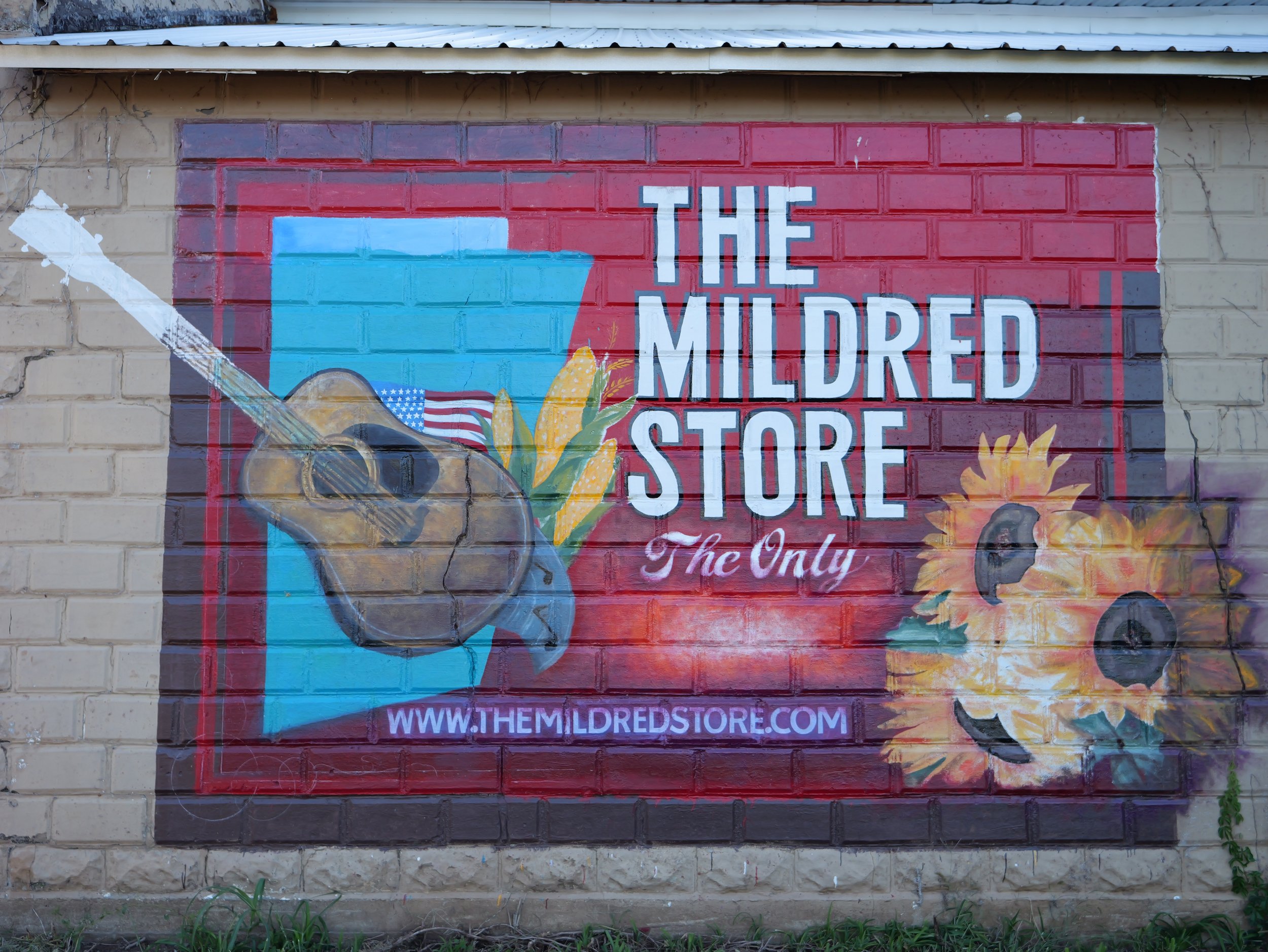
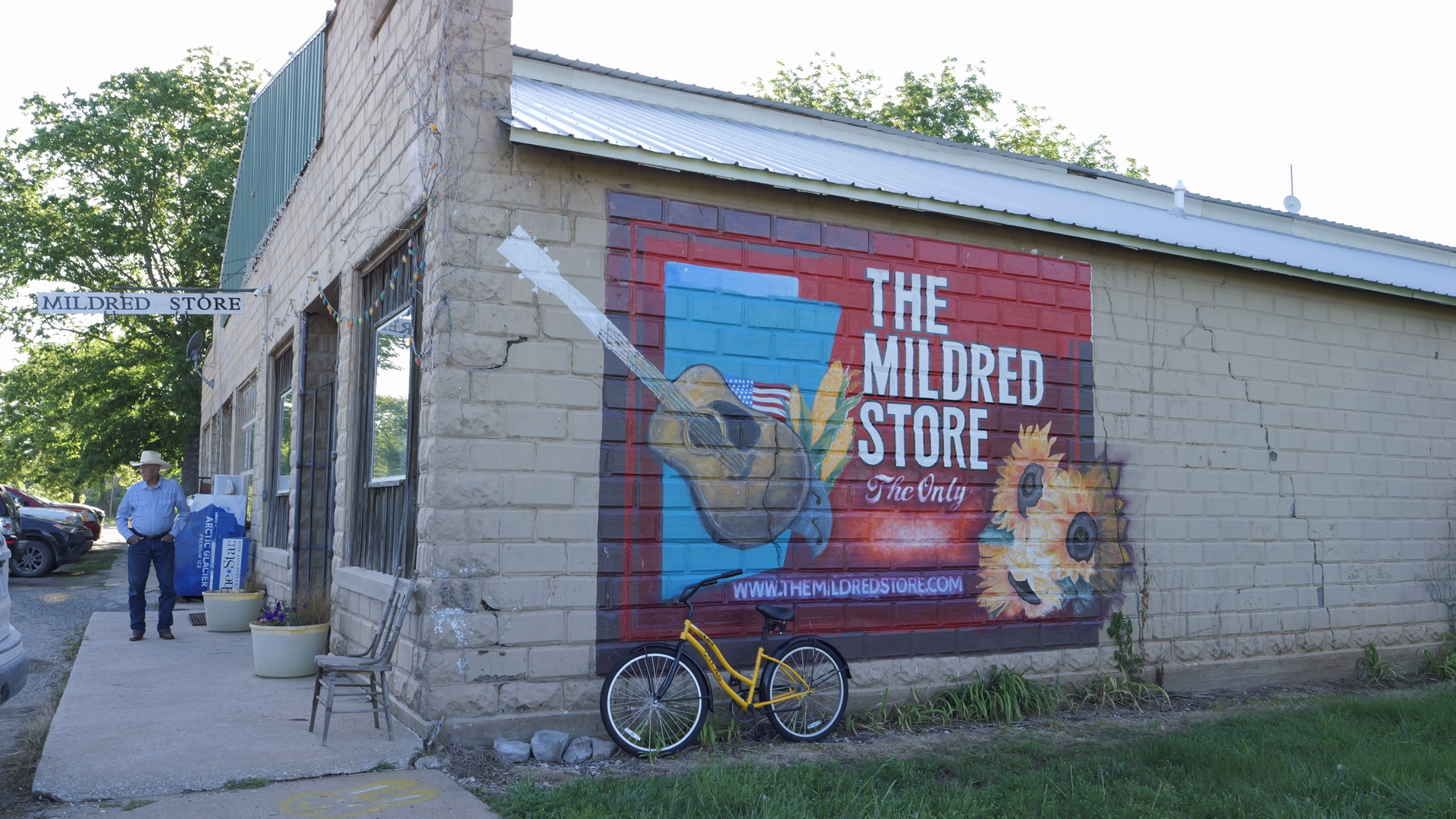
In rural Allen County, Kansas, The Mildred Store is much more than a grocery store. It is where neighbors see one another; local farmers sell their products, seniors gather for a meal and conversation, and families know they can find fresh, affordable food close to home. It is the kind of place that keeps the community connected.
After a nearby market closed, The Mildred Store became the only full-service grocery within a 30-mile radius, serving residents across the region. For many older adults living on fixed incomes, the store is the difference between buying groceries close to home and making a long drive that is costly, difficult, or simply impossible. For local families, it remains a trusted place to shop, connect with neighbors, and access nutritious food.
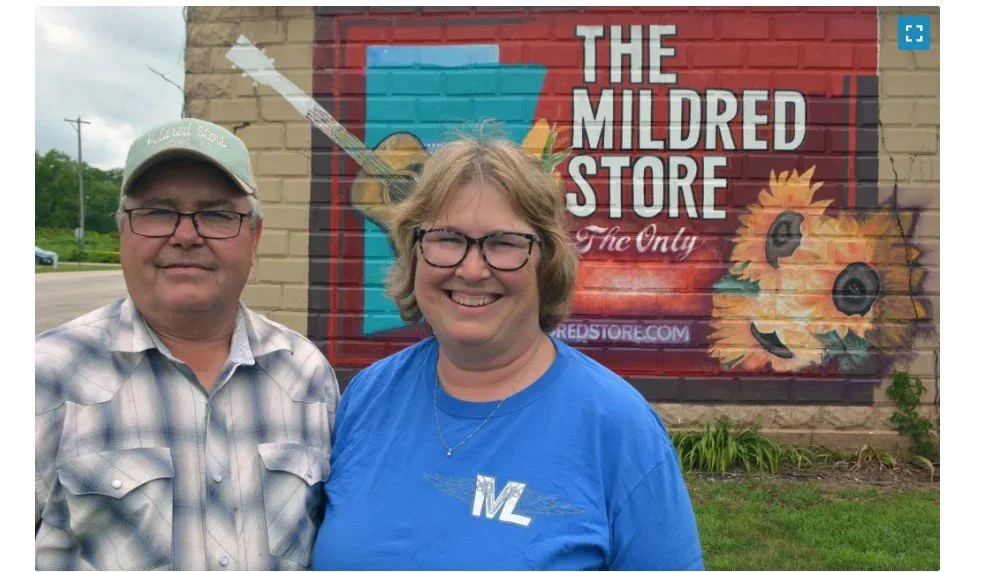
Owner Regena Lance has always believed the store should be more than a place to buy groceries. It should strengthen the community it serves:
"The Mildred Store is like walking into a Norman Rockwell painting. From its nostalgic décor to the old-fashioned glass bottle pop, everything gives the feeling of coming home. For generations, it has been a hometown staple—perhaps not where everyone does all of their shopping, but always the place to find what you need at a moment's notice.
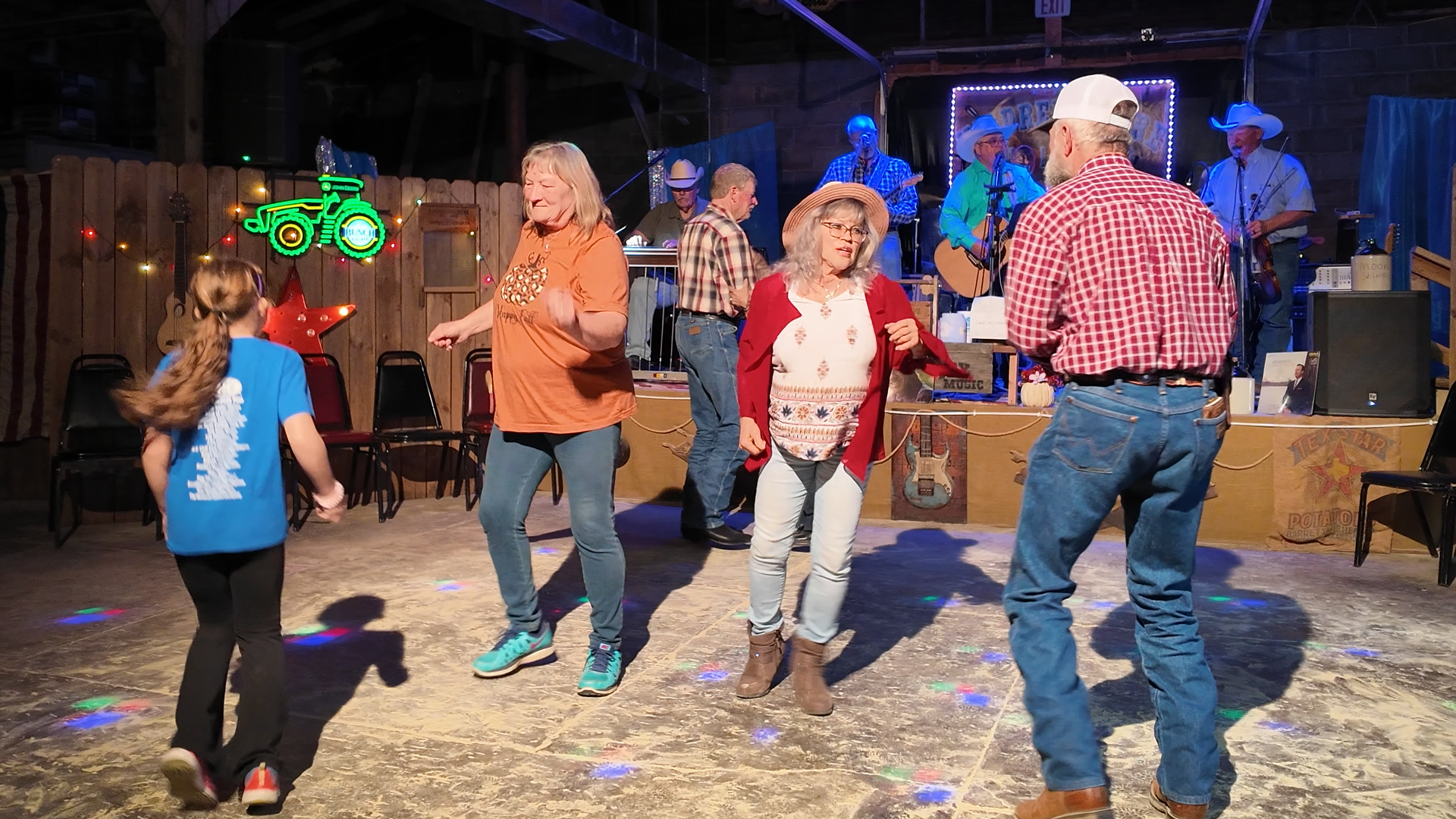
More than a grocery store, it is the community's gathering place for morning coffee, conversation, monthly music nights, craft shows, and fellowship. The store also responds to local needs by supporting the county fair, organizing fundraisers for neighbors facing hardship, providing access to a storm shelter, and hosting community potlucks. The Mildred Store is more than a business—it is a cornerstone of the community."
That commitment can be seen in everything the store does. To keep food dollars in the local economy, The Mildred Store creates reliable markets for local farmers, ranchers, and Future Farmers of America (FFA) students, purchasing their products throughout the year. To bring residents together, it hosts country music nights, community festivals, classic car shows, and civic conversations that transform the store into a vibrant gathering place. To support older adults, Regena prepares nutritious subsidized meals for adults over the age of 60, ensuring older residents have access to healthy food in a welcoming environment.
Yet one of the store's greatest innovations began with a simple observation. Customers had stopped buying fresh bananas because they spoiled too quickly. The Mildred Store saw not a problem without a solution but an opportunity to solve a problem many grocers face.
Freeze-drying technology was introduced into the small, independent grocery store, transforming fruits and vegetables into nutrient-dense, shelf-stable products that retain approximately 97 percent of their nutritional value while lasting for years.
The innovation addresses several challenges simultaneously. It reduces food waste, creates higher-value products from local harvests, improves profitability for an independent retailer, and provides convenient, single-serving portions that better meet the needs of older adults and smaller households. The response has been remarkable. An initial trial of 150 single-serving packages sold out in less than two weeks without formal marketing, quickly generating a growing customer waitlist.
Looking ahead, The Mildred Store aims to scale its freeze-dried food production to meet growing demand, preserve surplus from regional farmers, and launch mail-order sales. It is also exploring 24-hour self-service access to better serve residents whose work schedules fall outside traditional business hours. By providing food-insecure families with affordable, long-lasting food options while reimagining how rural grocery stores can better meet community needs, The Mildred Store continues to demonstrate that innovation and community impact can go hand in hand.
At a time when rural grocery stores continue to disappear across America, The Mildred Store offers a different vision for the future. By listening to its customers, embracing new ideas, and investing in its community, it has become more than a community anchor—it is a replicable blueprint for rural food system resilience, showing that some of the country's most transformative innovations can begin in a small-town grocery store.