
GROCERY RETAIL FOR ALL
Affordable, nutritious food in every neighborhood
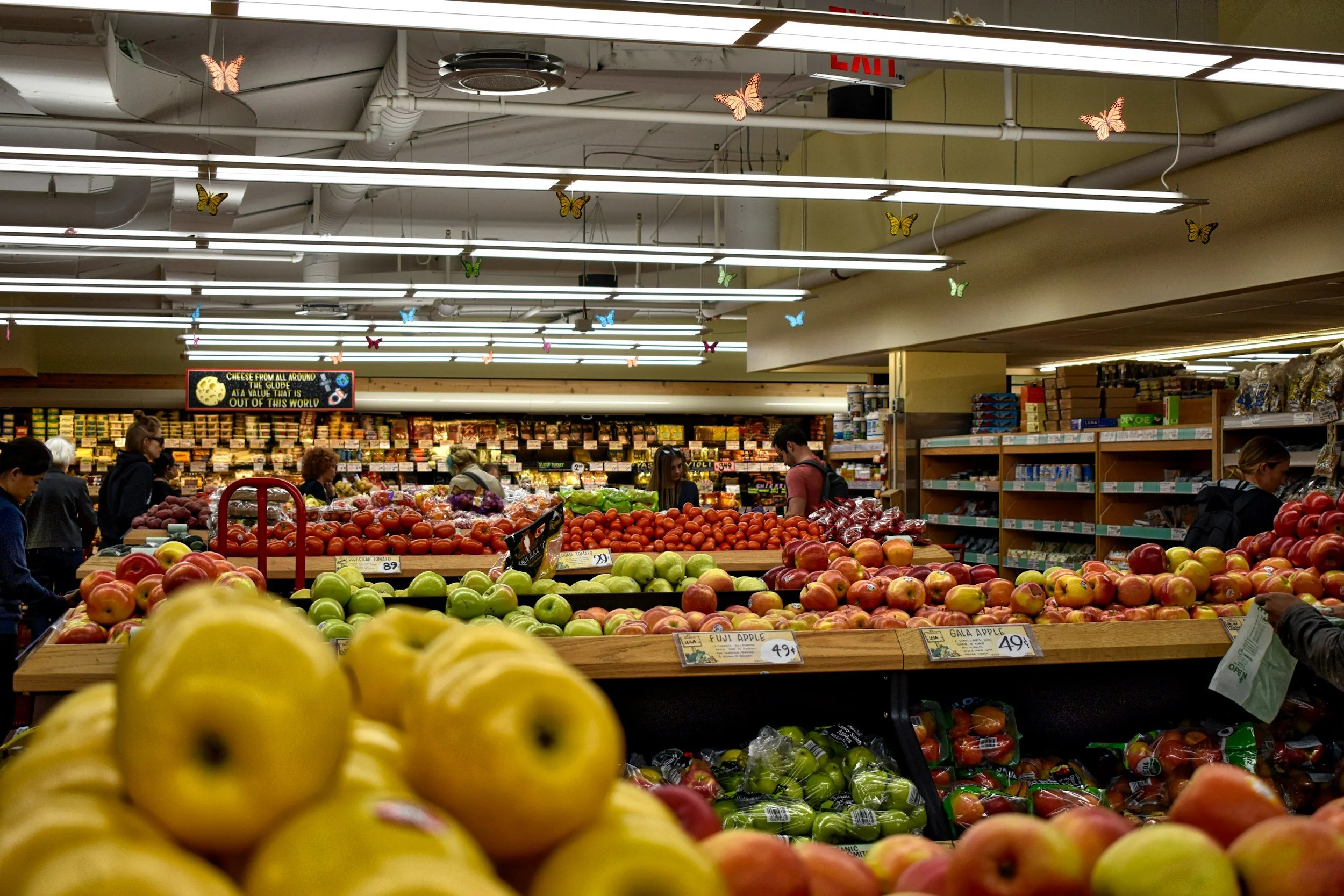
Many low-income urban and rural communities across the United States lack reliable access to a full-service grocery store. Independent grocers, co-ops, and nonprofit retailers are showing that stores can provide affordable, nutritious food and remain financially viable, even when they face high wholesale costs, thin margins, and limited access to capital.
Food Systems for the Future Institute (FSFI) works with grocers and partners to understand what makes these models viable and strengthen the conditions that help stores open, adapt, and stay in business.
Our Four Priorities
01
IDENTIFYING AND VALIDATING VIABLE GROCERY MODELS
We study how community-serving grocery stores succeed and which approaches could be adapted to other communities. One idea we’re exploring is a shared purchasing pilot that would bring together orders from several small grocers to address challenges such as high order minimums and infrequent deliveries.
02
STRENGTHENING OPERATOR AND LOCAL IMPLEMENTATION CAPACITY
We’re developing the Grocery Retail Executive Corp to connect new and existing grocers with experienced industry leaders who can advise on decisions such as purchasing, merchandising, staffing, and financial management. We’ve surveyed operators about the support they need and made initial connections between grocers and experienced executives.
03
EXPANDING ACCESS TO FIT-FOR-PURPOSE CAPITAL
Grocers need financing at different stages, from opening a store to replacing refrigeration or covering working capital. We’re exploring flexible financing that reflects how community-serving grocery businesses operate and what they need to stay open over time.
04
BUILDING AN ENABLING POLICY AND MARKET ENVIRONMENT
We’re examining how cities can support grocery development through financing, site development, and technical assistance. We’re also exploring whether changes to federal food donation tax policy could lower inventory costs for nonprofit grocers and make nutritious food more affordable.
Research and Progress
NATIONAL GROCERY RETAIL ASSESSMENT
What helps community-serving grocers succeed?
Our national landscape assessment examined grocery models in low-income urban and rural communities. The report shares examples of how operators have opened stores, managed costs, and adapted to local needs.
2026 NATIONAL GROCERY RETAIL FOR ALL SUMMIT
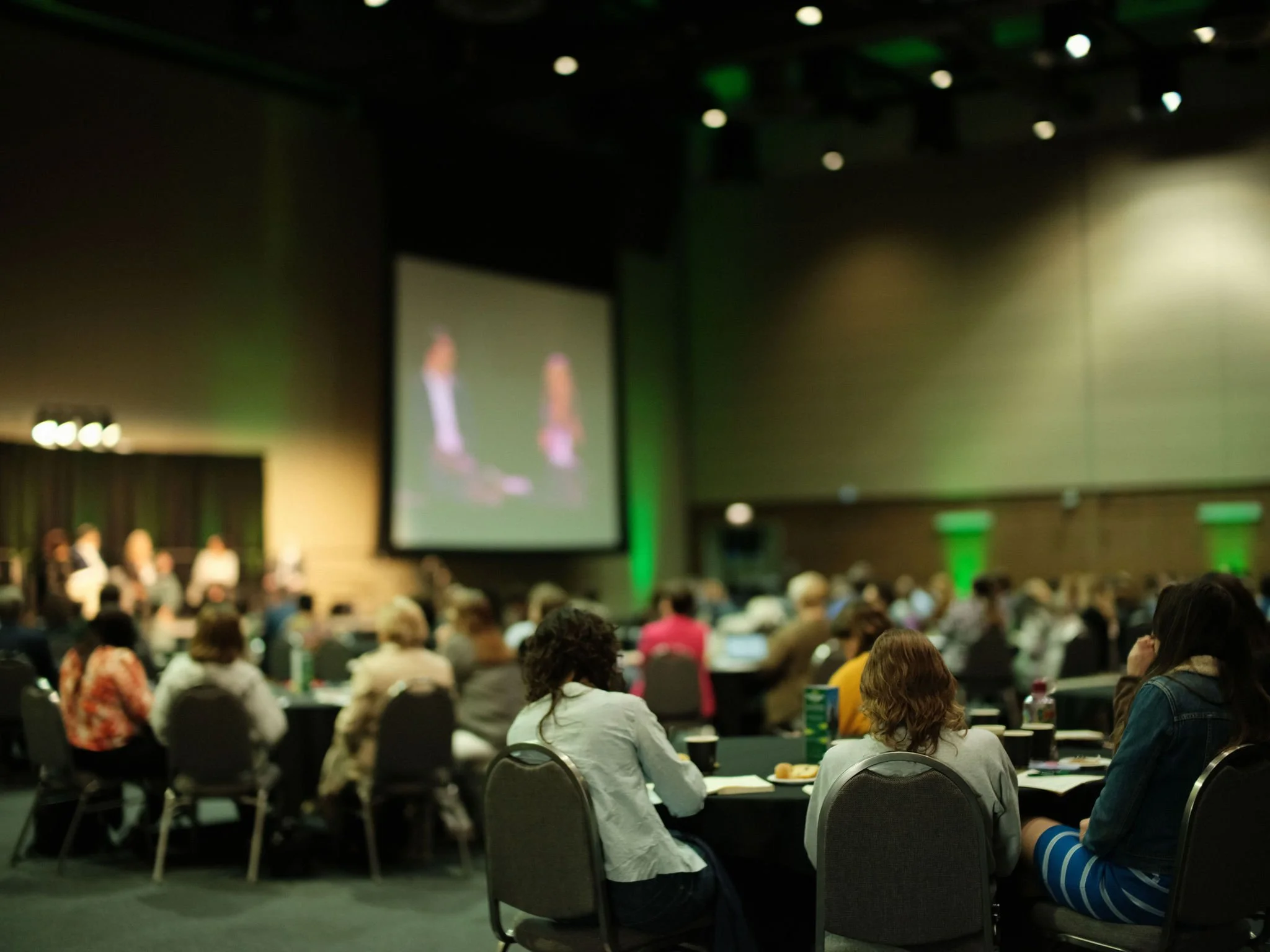
In June 2026, about 200 leaders from 186 organizations across 41 states gathered in Chicago to examine practical approaches to grocery operations, procurement, financing, and policy. The Summit also recognized promising models through $100,000 in Grocery Retail Resilience & Innovation Awards.
CONCEPT IN DEVELOPMENT
Grocery Retail Commons
We’re exploring the Grocery Retail Commons as a way for grocers and community organizations to find expertise, tools, and resources in one place. The concept brings together support across the four priorities, including examples of viable grocery models, operating expertise, financing resources, and policy tools.
Connect With Us
Do you operate a grocery store, work on grocery access in your community, or have expertise to share? We’d like to hear from you.