
HEALTHY FOOD FOR ALL
Building an evidence base to support consumers in choosing, purchasing, and enjoying healthy, diverse foods
What shapes what we buy?
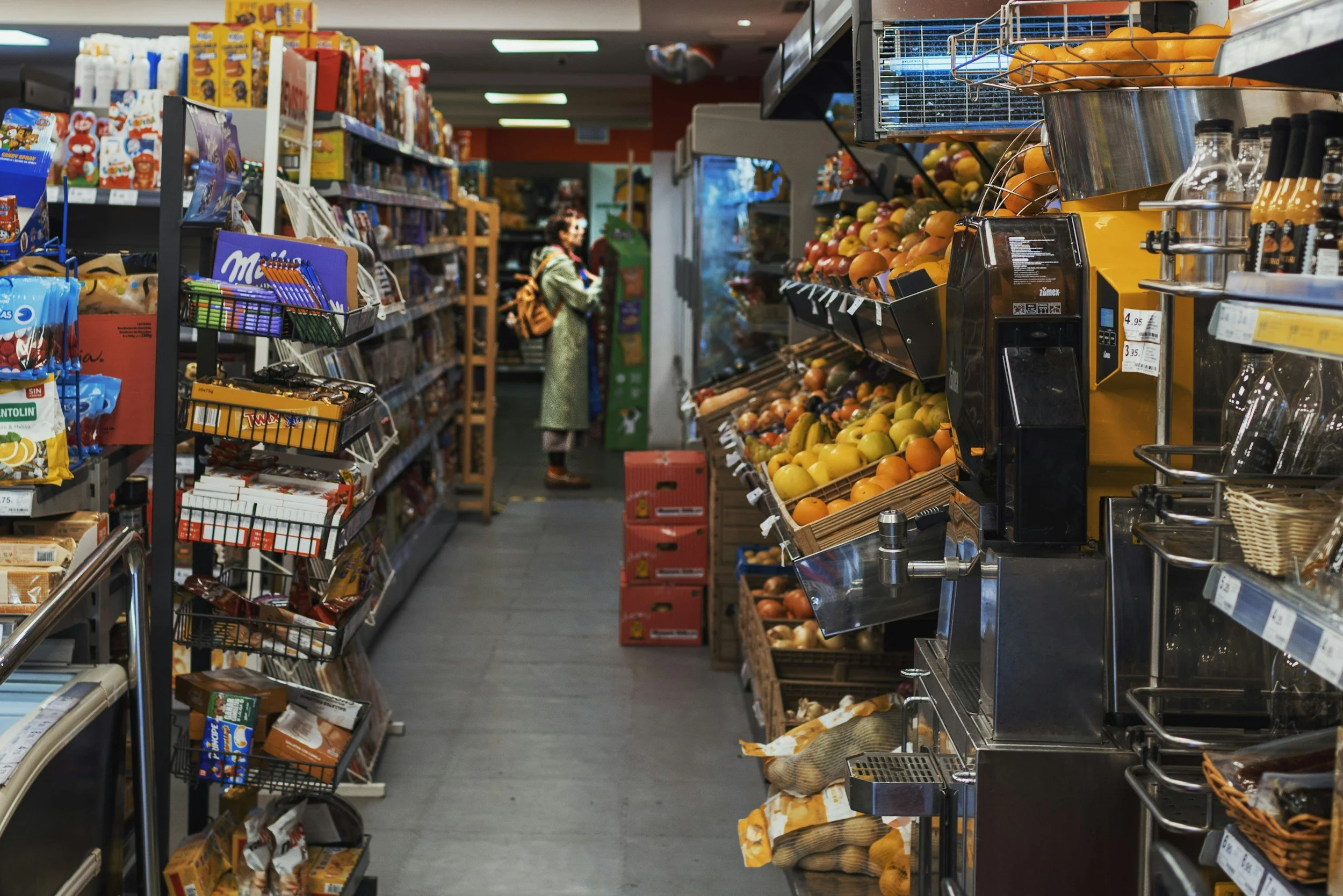
When grocery budgets are tight, price matters. So do taste, convenience, household preferences, and what’s available in stores. Food Systems for the Future Institute (FSFI) studies how these factors shape what people buy and how retailers and other partners can better meet shoppers’ needs.
What We Study
Healthy Food for All looks at grocery decisions from both sides of the shelf. We study what shoppers value and what makes it harder for households with limited incomes to buy the foods they want. We also aim to understand how retailers decide what to stock, how to price it, and where to place and promote it. Together, those insights can help partners identify changes that work for shoppers and stores.
PHASE 1 · CONSUMER INSIGHTS
Dairy purchasing in the Midwest
1527
shoppers surveyed across Illinois, Iowa, and Minnesota
With support from Midwest Dairy, we examined how shoppers with limited incomes choose milk, cheese, and yogurt.
What we learned
01
PRICE IS ONE PART OF THE DECISION
Taste, health, and household preferences also shape what shoppers buy.

02
THERE’S ROOM FOR SPECIALIZED PRODUCTS
Demand for milk and cheese was steady. The study identified opportunities for yogurt and options such as high-protein and lactose-free dairy.

03
TRUSTED GUIADANCE CAN BE HARD TO FIND
The sources shoppers trust are not always the ones they can easily access.
From research to action
In September 2026, FSFI and Midwest Dairy brought together leaders from food retail, public health, research, and policy in Minneapolis. The workshop explored practical ways to respond to the findings, including making trusted nutrition guidance easier to find where people shop and addressing storage and shelf-life challenges that affect product quality.
What’s next
We’re seeking partners to study how retailers make dairy purchasing, pricing, and merchandising decisions. Pairing those insights with what we’ve learned from shoppers would help identify changes that meet household needs and are feasible for stores. We’re also exploring how to extend the research to other food groups, including meat, fruits, and vegetables.
Work with us
Interested in the research or in supporting the next phase?